GOMA, Democratic Republic of the Congo — If you dream of spending the evening in a cute café next to the Eiffel Tower or the Coliseum, you probably won’t ever visit Goma in the Democratic Republic of the Congo, an African nation with a population nearly twice as large as Ukraine’s.
This crowded city of 2 million people is located right on the border with Rwanda on the banks of Lake Kivu, a horizonless part of the Great African Lakes crowned by the picturesque chain of the Virunga Mountains. It exists amid seemingly impassable expanses of rainforests and green savannas riddled with ancient volcano craters.
This is the very heart of Africa, just some 180 kilometers south of the equator. But thanks to its elevation of 1,500 meters above sea level and its mountainous terrain, Goma enjoys a gorgeously pleasant climate, with temperatures rarely rising higher than 23-24 degrees Celsius, winter and summer alike.
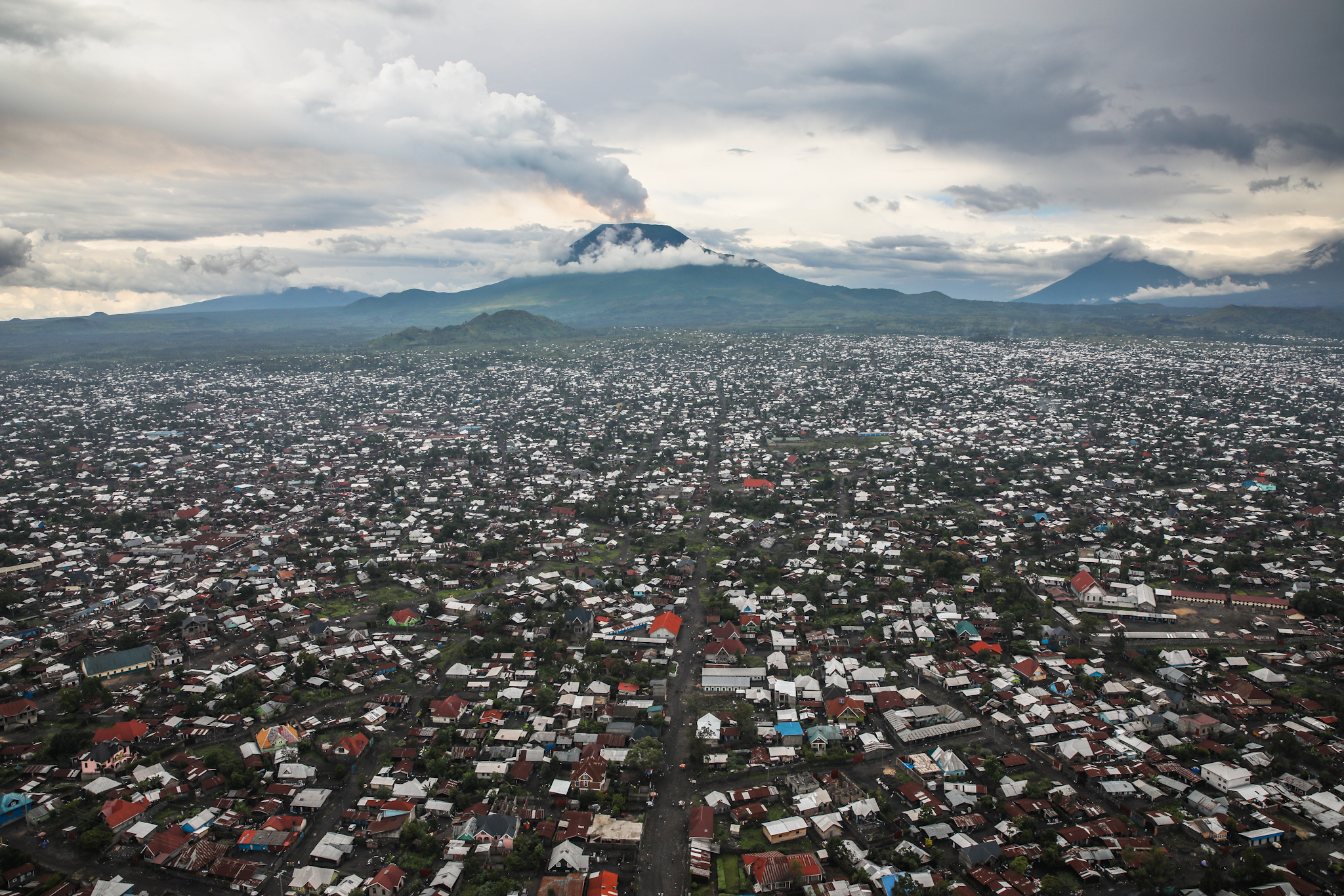
A view to the Mount Nyiragongo volcano located near the city of Goma in the Democratic Republic of the Congo, pictured on Dec. 11, 2019. (Volodymyr Petrov )
This terrain is what you think of when you imagine an idealized African landscape. Goma’s crown jewel is Mount Nyiragongo, a 3,400-meter active stratovolcano majestically rising above the city and radiating a blood-red mist over its crater in the night.
Unfortunately, this part of Congo is also one of the world’s most impoverished regions, a scene of violent armed conflict and one of the epicenters of the deadly Ebola virus.
It’s not a recommended destination for tourists. The Kyiv Post visited the city while embedded with Ukrainian peacekeeper taking part in the United Nations Organization Stabilization Mission in the DR Congo.
The trip was an eye-opening window into the challenges facing the people of one of the world’s poorest and most war-affected countries.
Safety concerns
The first rule of visiting Goma is: You do not walk alone in Goma.
Many cities around the world have problems with crime — particularly after dark. But in a place as impoverished as Goma, foreigners are often an easy target.
The Ukrainian consular service wisely encourages travelers to move through the city only by car with windows shut and doors locked all the time. Stories about smartphones ripped from hands right through open car windows are more than common in the city. Wallets and passports are often swiped from pockets.
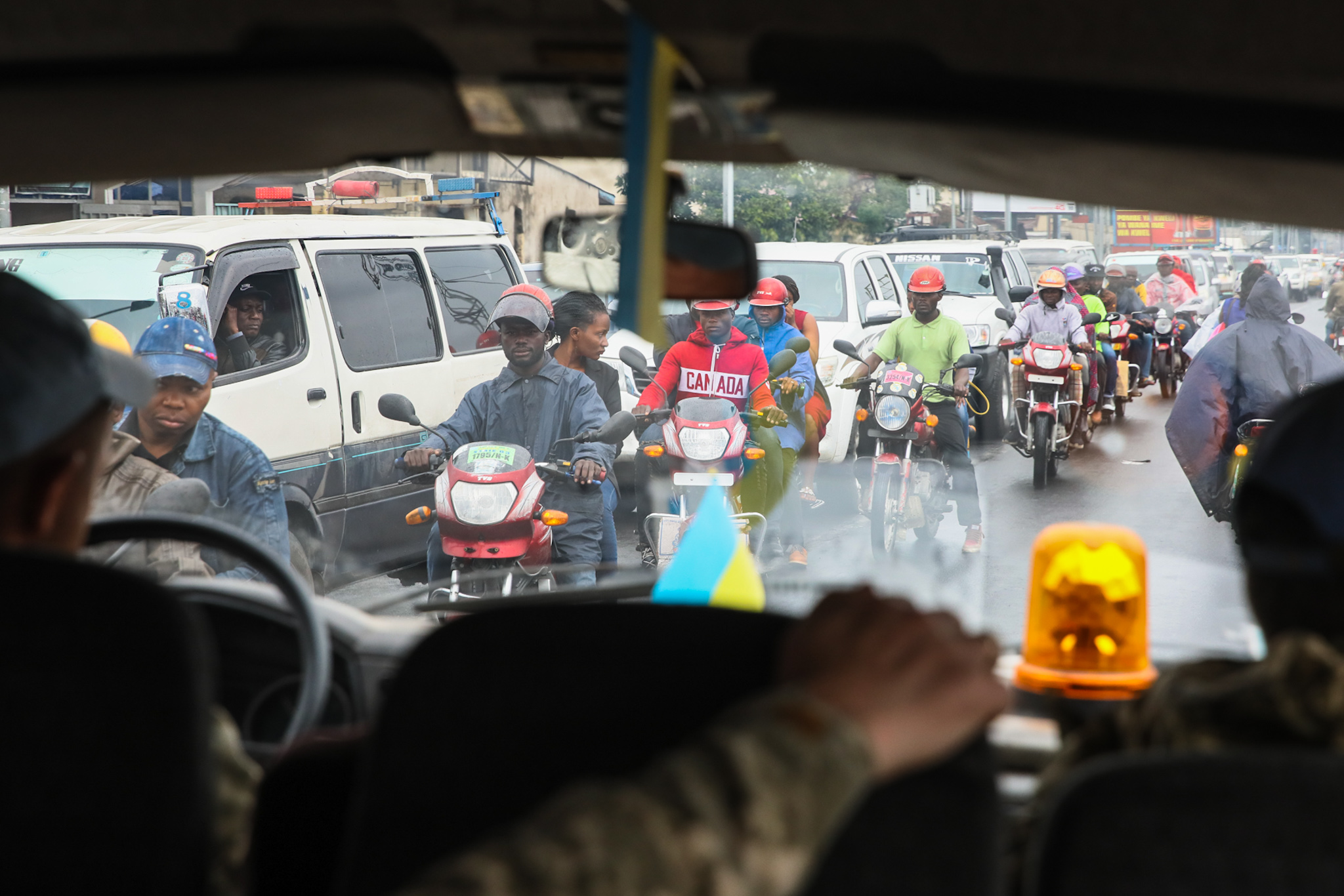
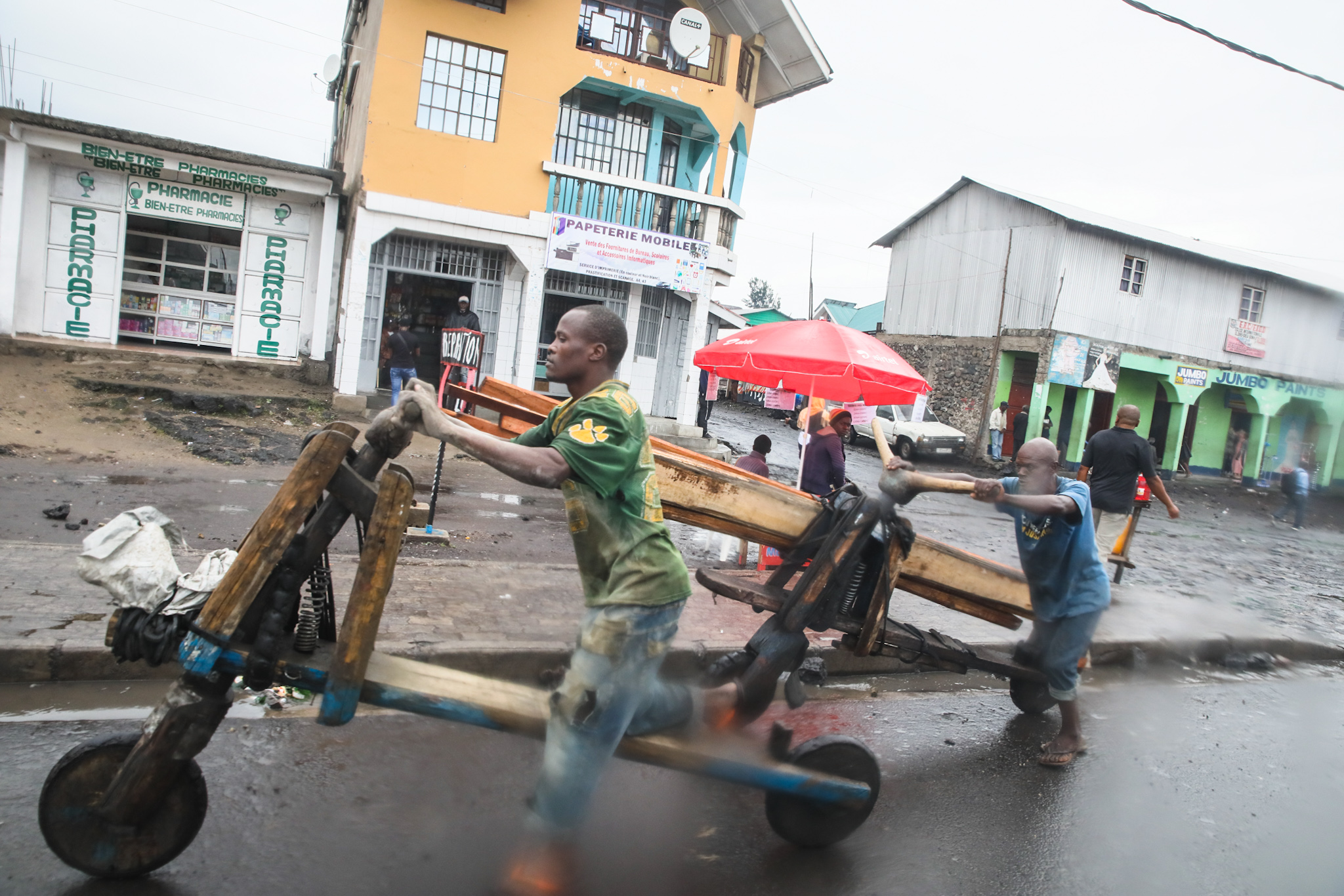
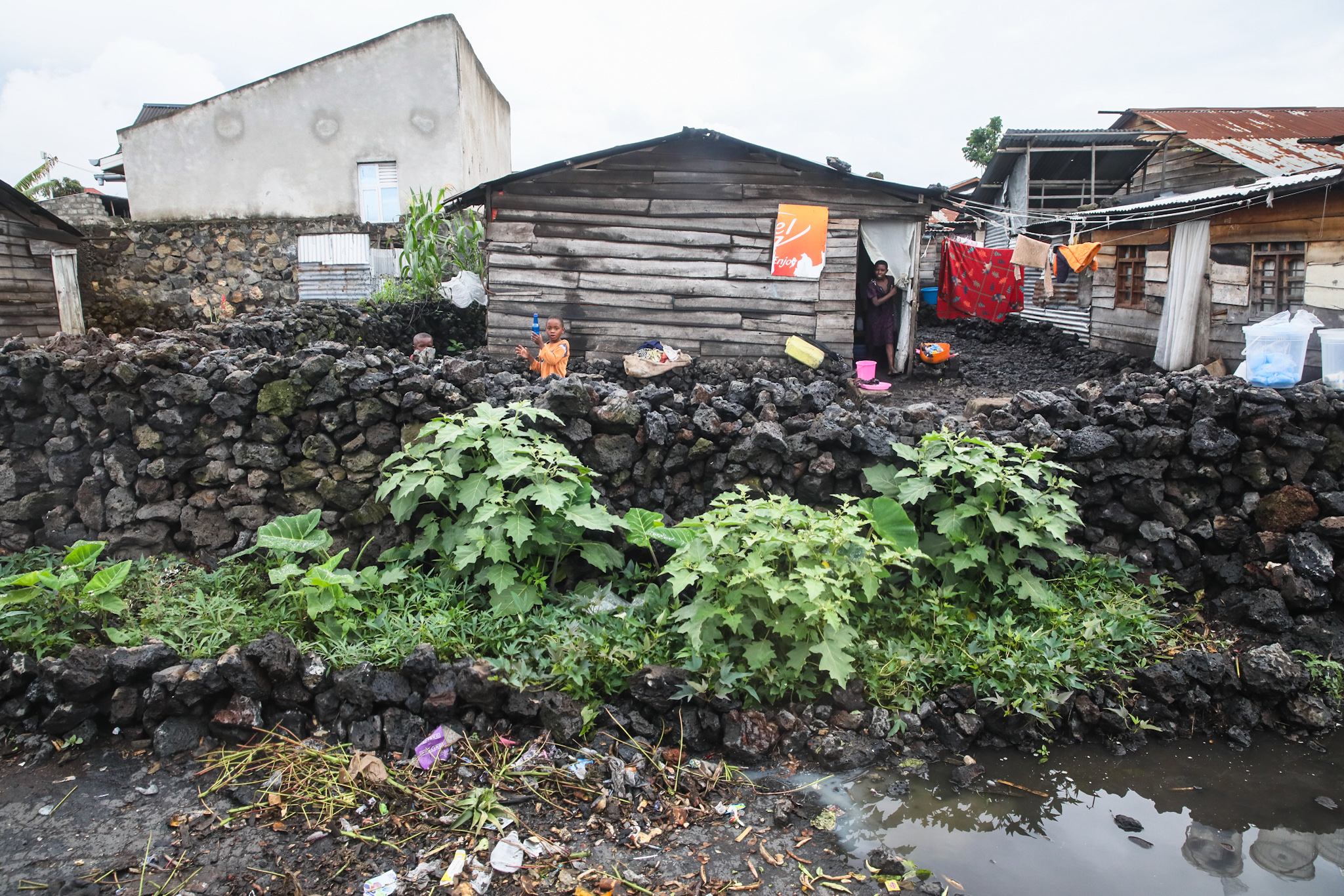
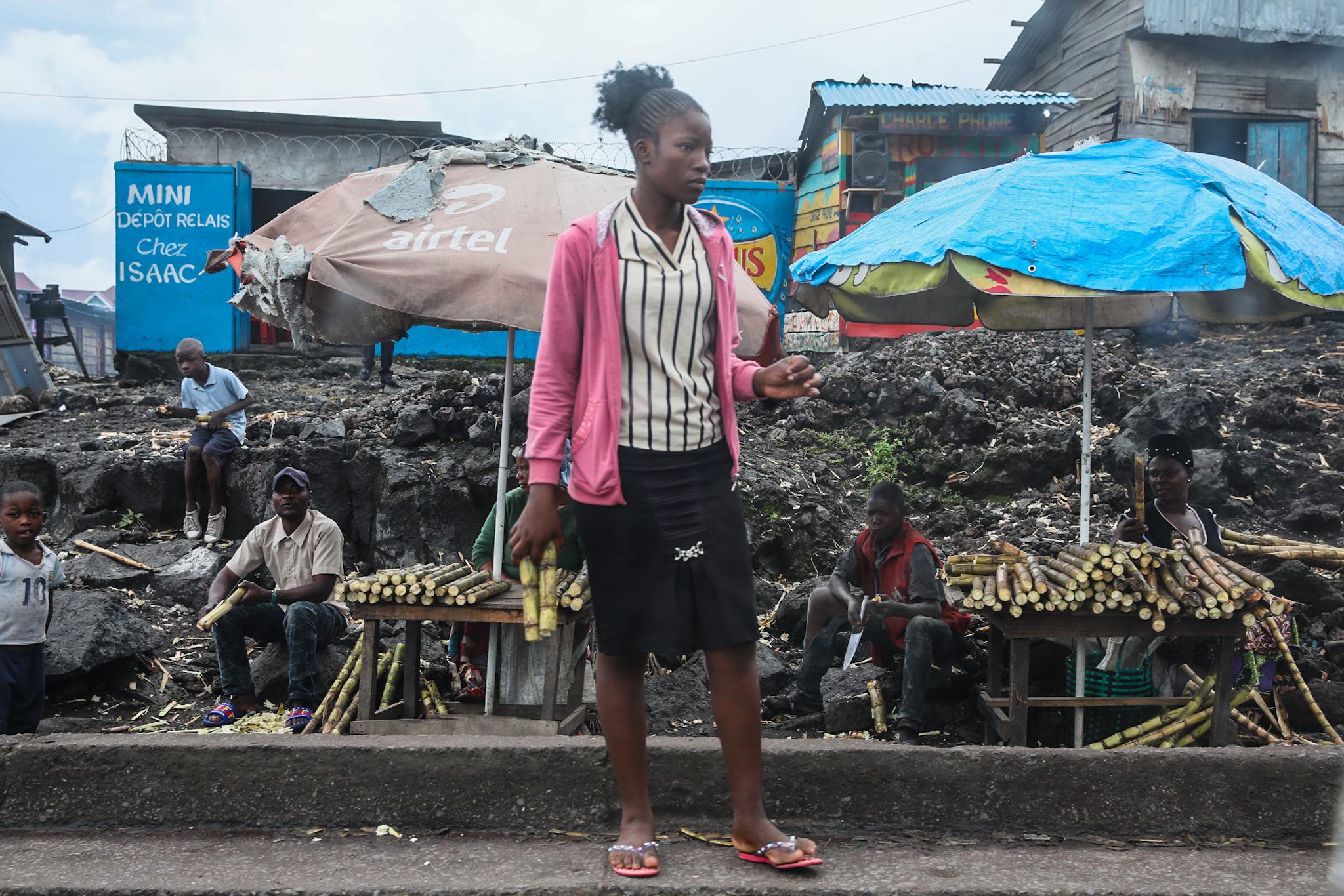
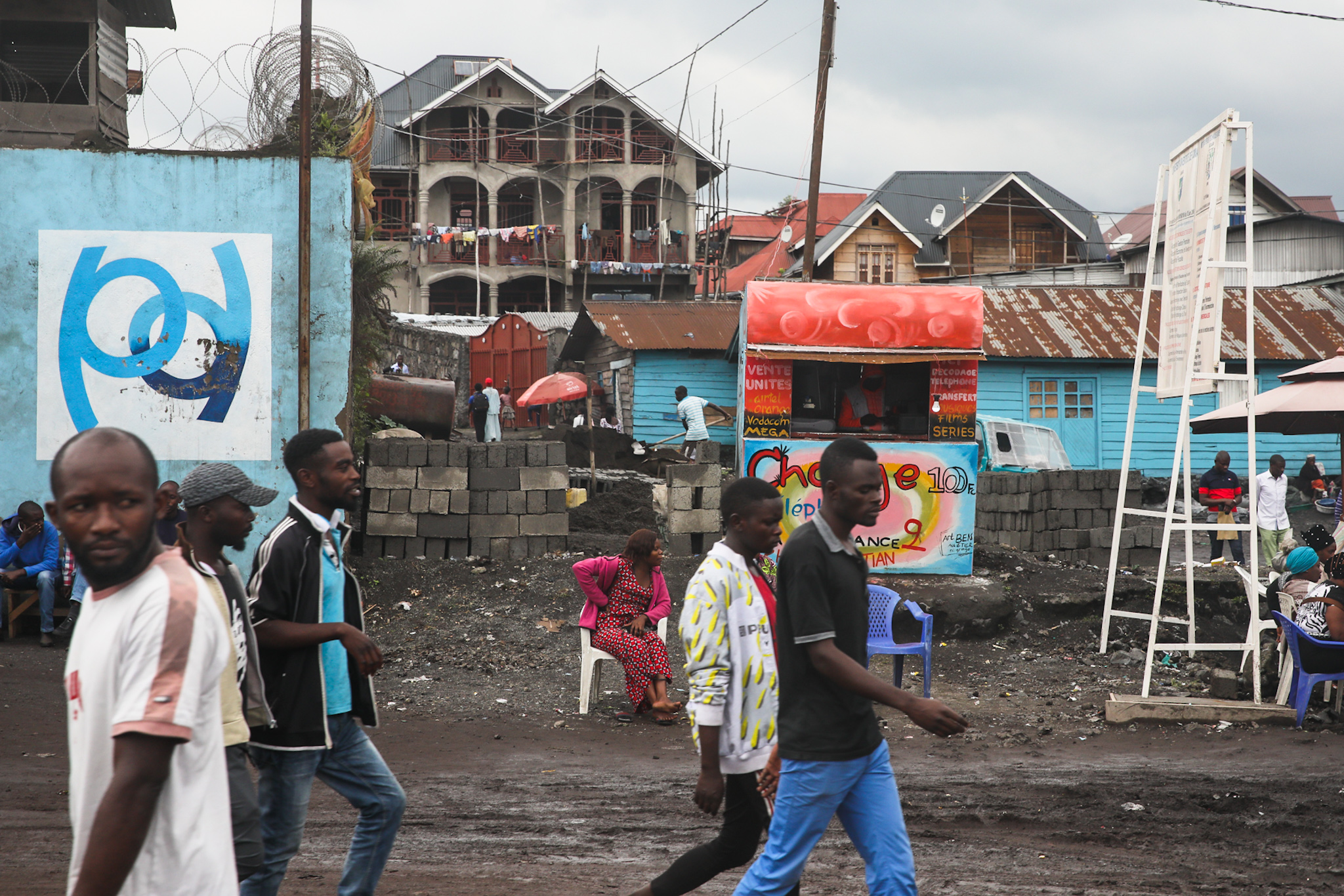
A short walk through the streets of Goma is much safer in groups, particularly if you’re lucky enough to be accompanied by people in military fatigues. In any case, if you are a muzungu (a local term referring to a person of European origin), you are likely to attract a lot of attention.
Should you park your car — with windows shut and doors locked — next to a busy market, a couple of children are likely to run up and start knocking on the windows and calling out to you in hopes of forcing you to give them some money to get rid of them.
Local kids, often those who have been abandoned or live in the most precarious financial circumstances, are frequently involved in this sorrowful business. They approach groups of foreigners, stand near them and wait silently for a handout. Something like a 500 Congolese franc bill ($0.30) can buy a neglected child a cookie in the backstreets.
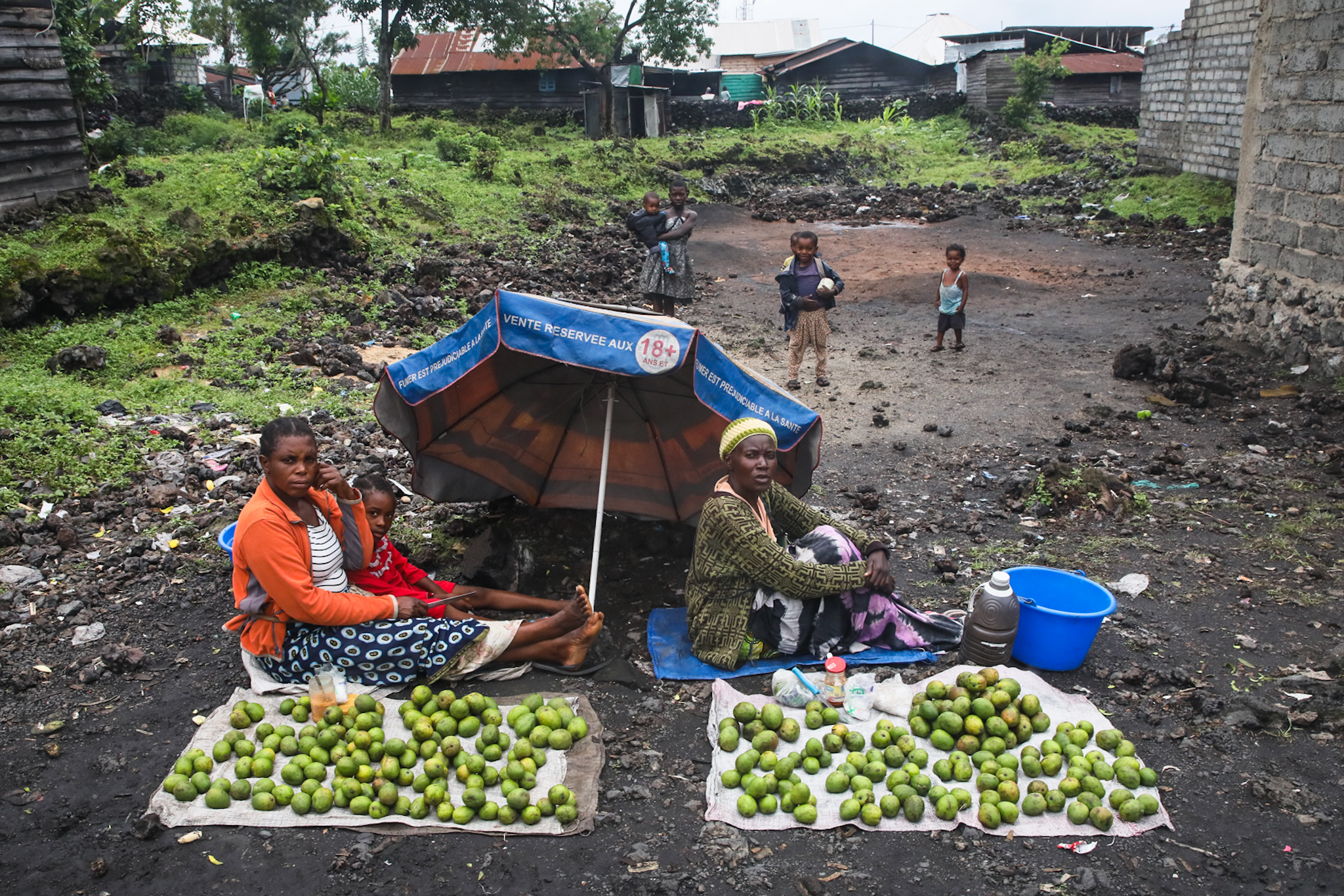
Numerous street traders carrying fruits, vegetables and other goods will also approach visitors. Some demonstrate an incredible talent in selling goods to foreigners at inflated prices — for example, offering a traditional African mask made from low-quality materials for $50.
Foreigners, particularly those traveling in vehicles belonging to numerous United Nations organizations deployed to the region, are also sometimes met with anger and frustration. Weary of political instability and grinding poverty, locals sometimes tend to lay their grief on strangers coming from far away.
Taking photographs or videos in Congo should be done only with great caution and respect for the local population. Many in Congo believe that taking a person’s photograph strips them of their soul. Moreover, a populace with a wary attitude toward foreigners likely will not welcome the attention. In some cases, photographers have been attacked or had stones hurled at them.
Subsistence production
It’s not hard to understand why so many locals see foreigners as sources of income or are wary of them. It is an extremely difficult place to live.
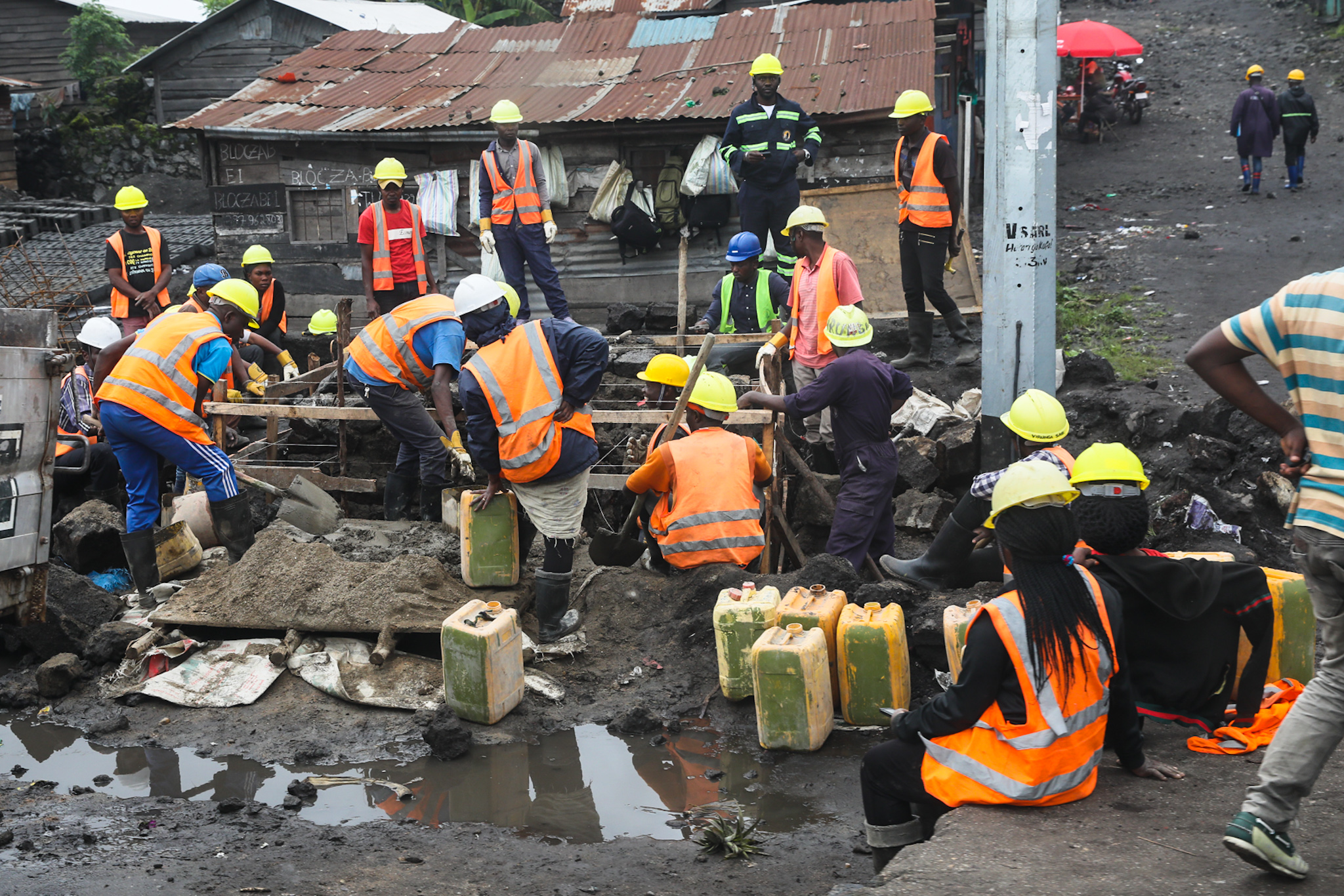
The streets of Goma are filled with hardworking people eking out a living for something like $1 a day. In many ways, their resilience inspires great respect.
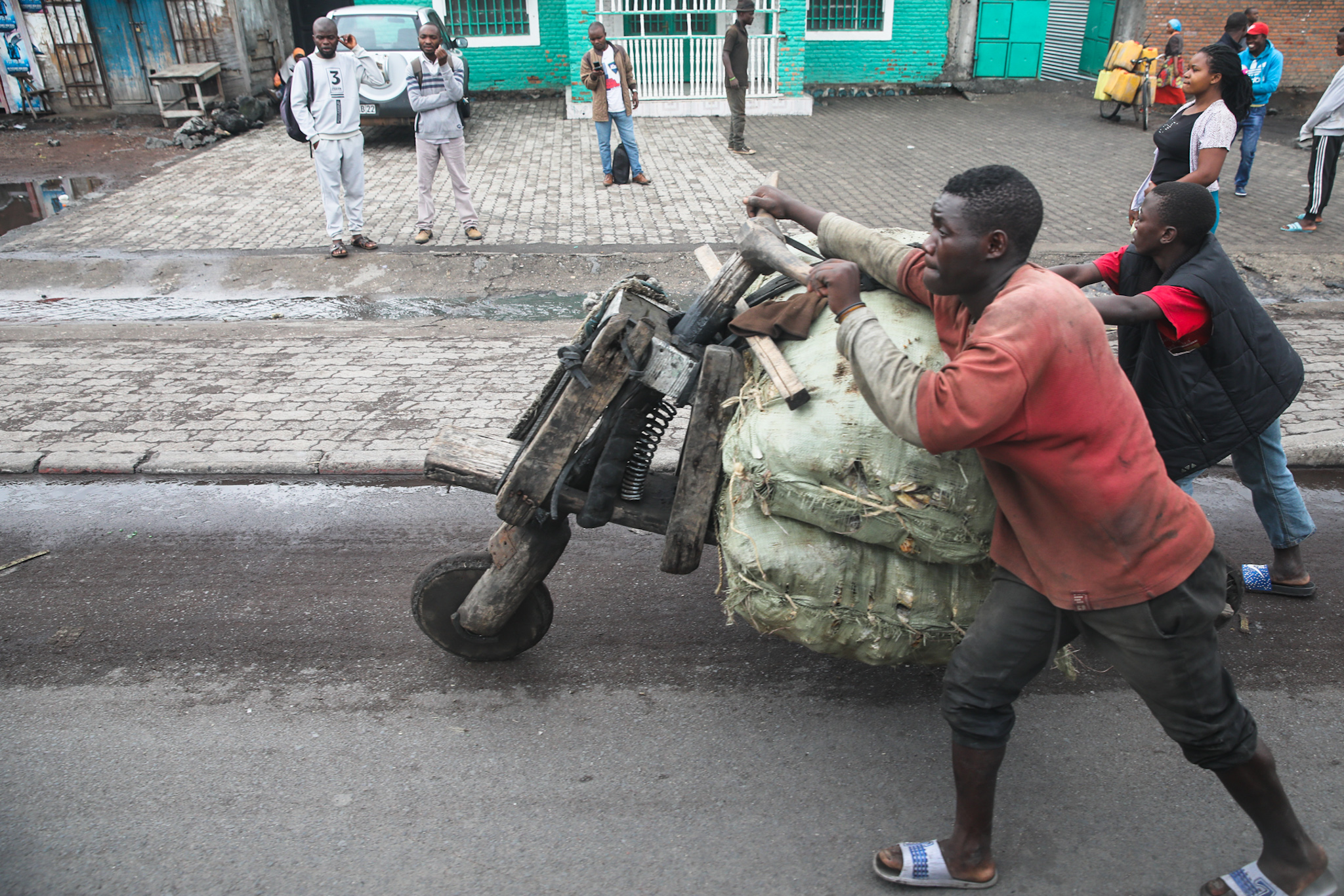
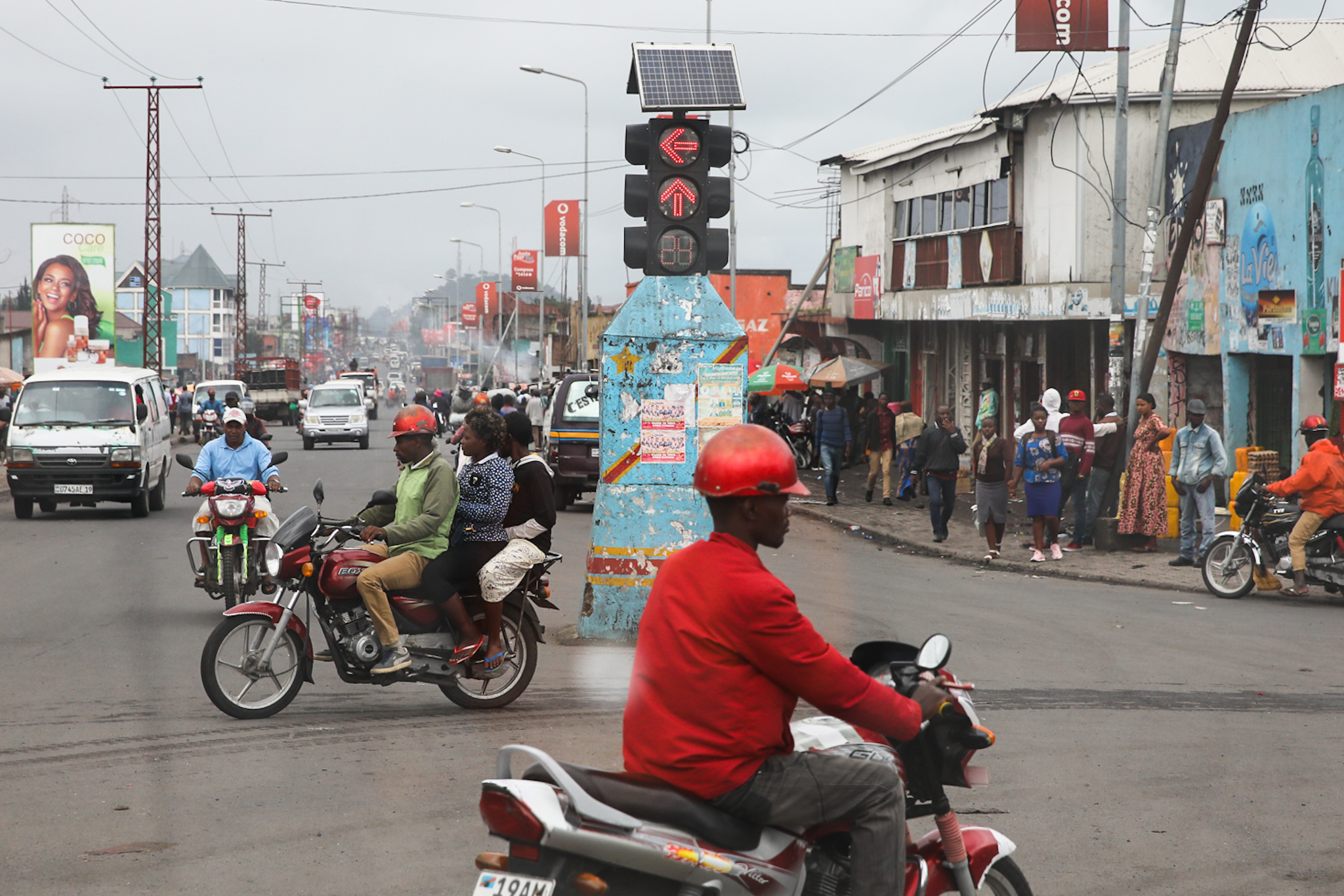
These people rush through the city on chugudus — a sort of homemade, cargo-carrying wooden scooter that is so important for the local economy that monuments have been installed in its honor.
Most goods present on Goma’s market were produced through local handicraft industries. Relatively little seems to be created in mass production, and the rare supermarkets in the city are filled with items imported from the Middle East, India, or neighboring, more prosperous African nations like Rwanda.
Many locals are engaged in the subsistence economy, producing goods for small- or medium-scale sales. The city offers an enormous choice of many kinds of fruit and a wide variety of souvenirs. Some UN peacekeepers and civilian personnel also recommend tasting the local handicraft cheese sold in paraffin-covered wheels each worth $2-3 dollars.
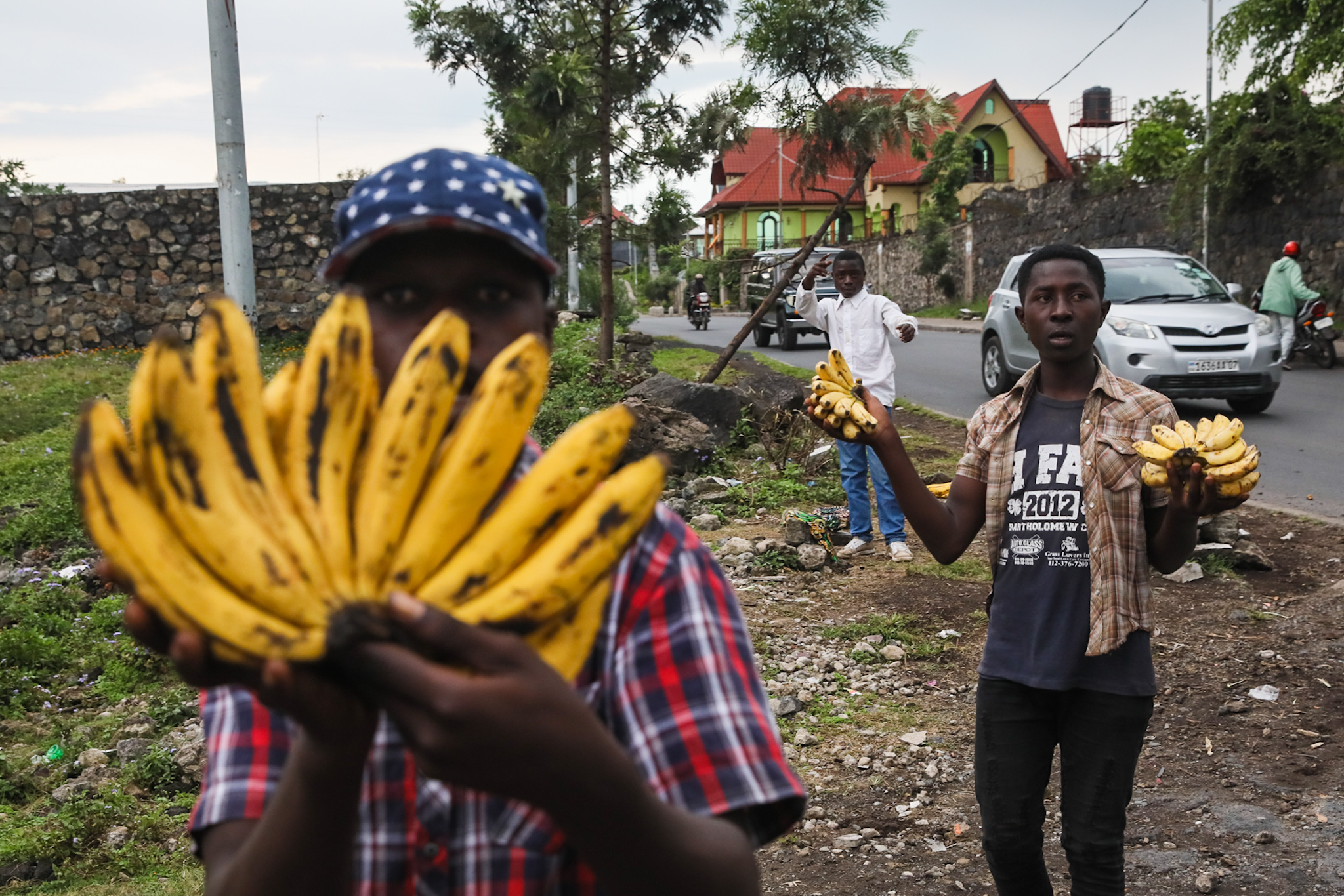
UN doctors suggest that all fruits and vegetables purchased in the city must be washed very carefully in soap and water. Given the risks of illness, hand-sanitizing spray is also a visitor’s best friend.
That said, the situation is not as bad as many would fear. Ebola is on the downswing these days. If visitors have the necessary vaccinations, are careful about what they eat and practice reasonable personal hygiene, this is usually enough to protect them from the region’s diseases.
Sharp contrasts
Besides drastic poverty and underdeveloped basic infrastructure, the region is also the scene of never-ending fighting between the Congolese government’s army and numerous irregular armed formations that terrorize the civilian population and take prisoners for ransom or slave labor.
Goma is now in the rear of this war, but its effect on the people of Goma is more than obvious. Many residents have fled more war-affected parts of the countryside. And the conflict has left large numbers of orphans in its wake.
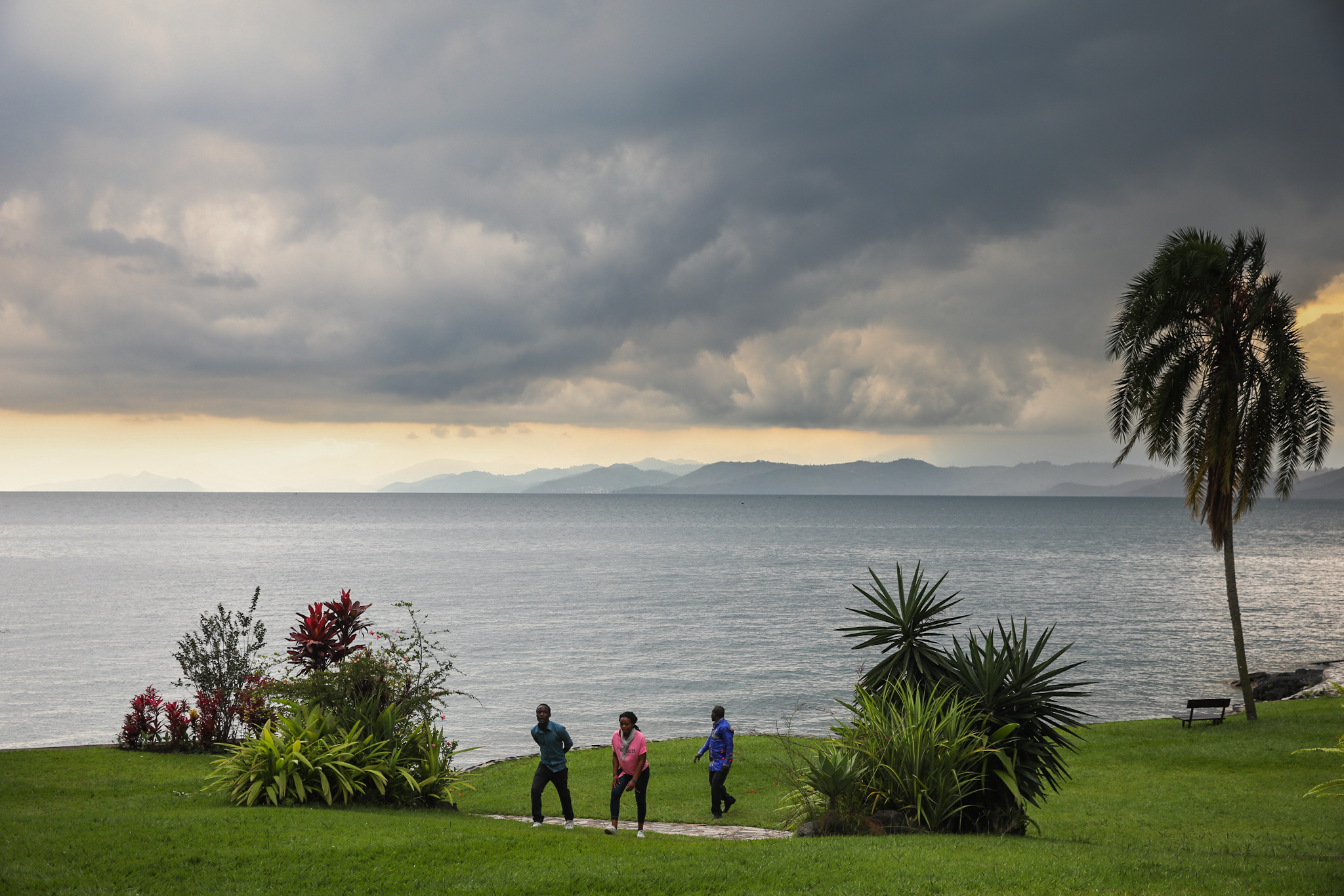
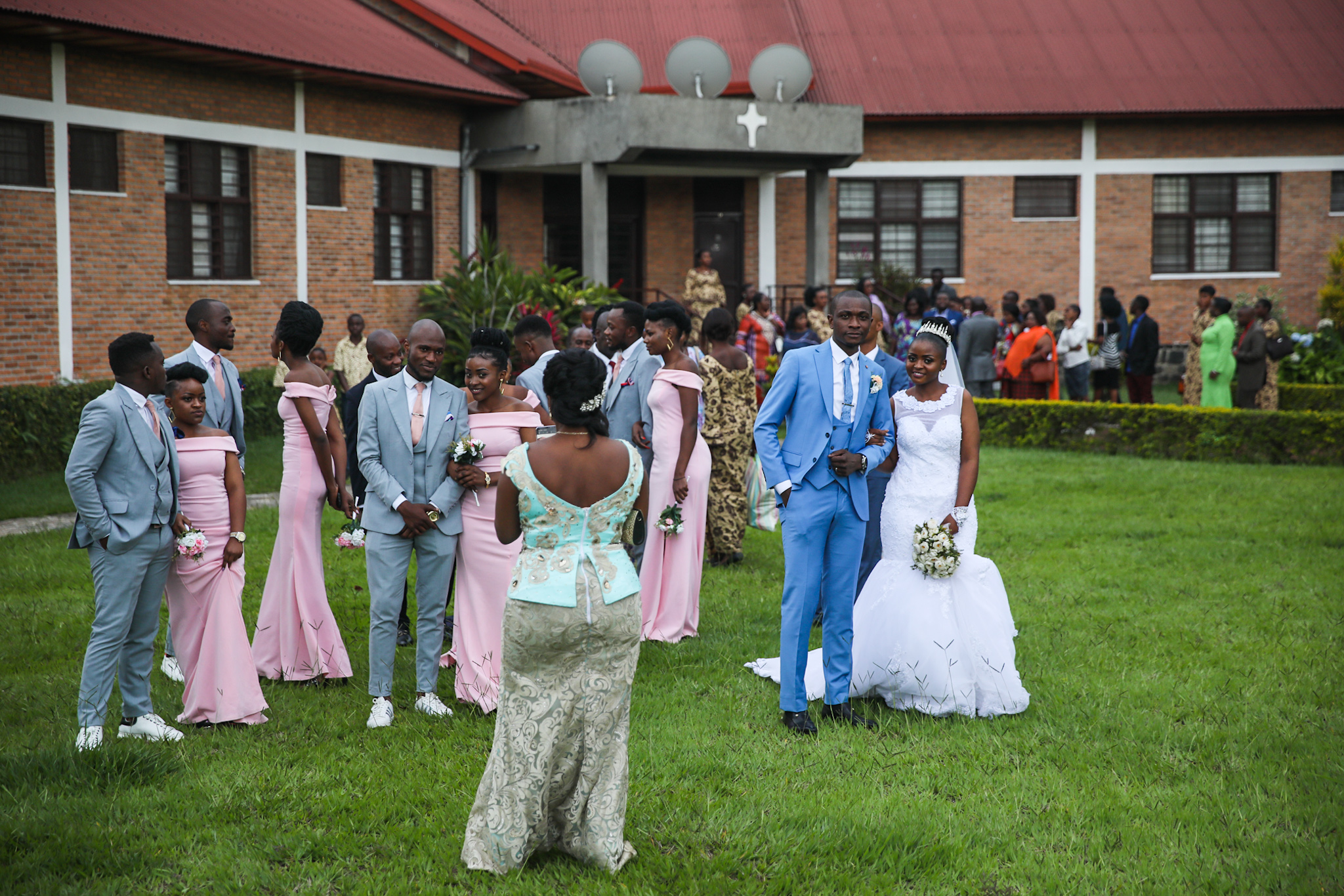
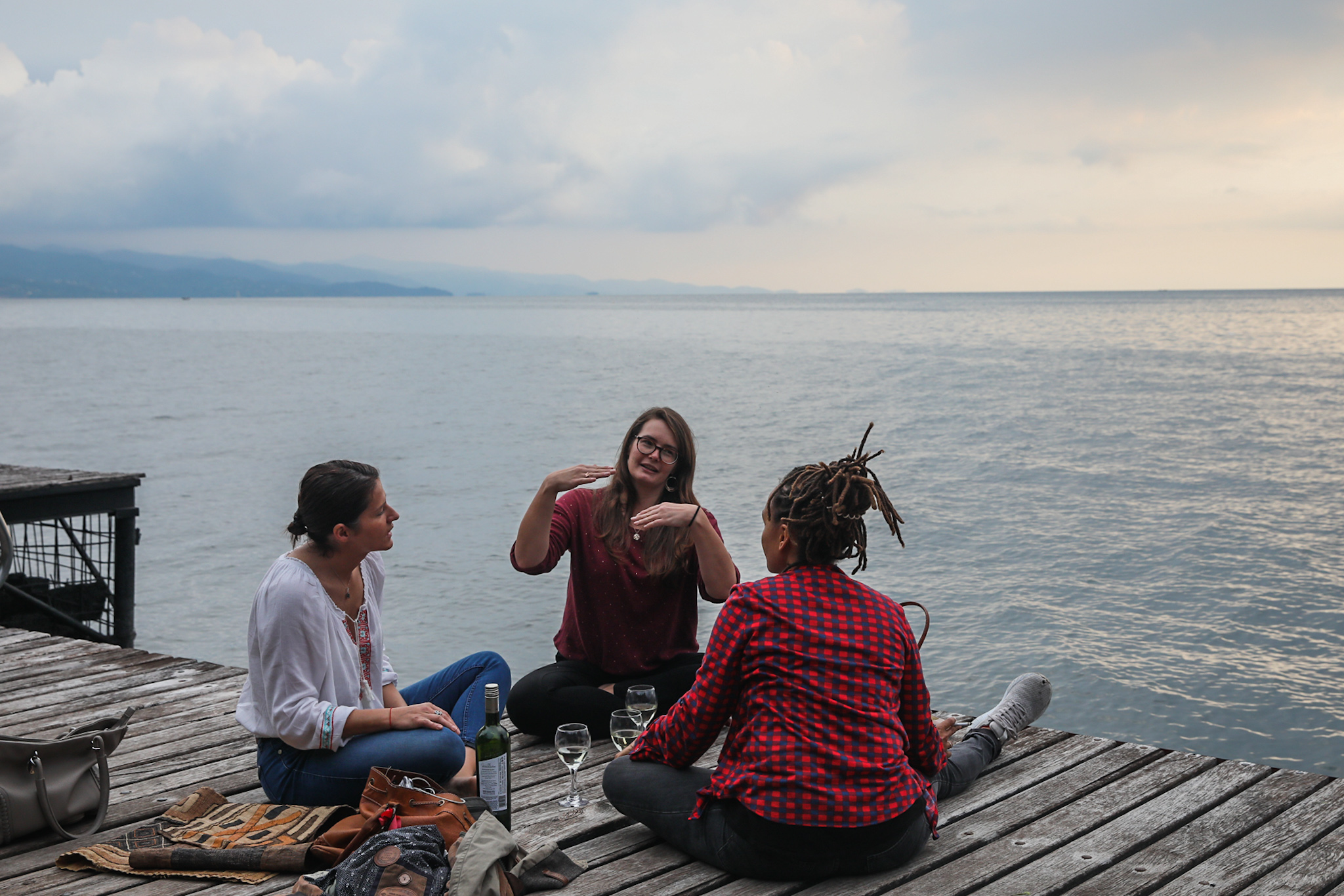
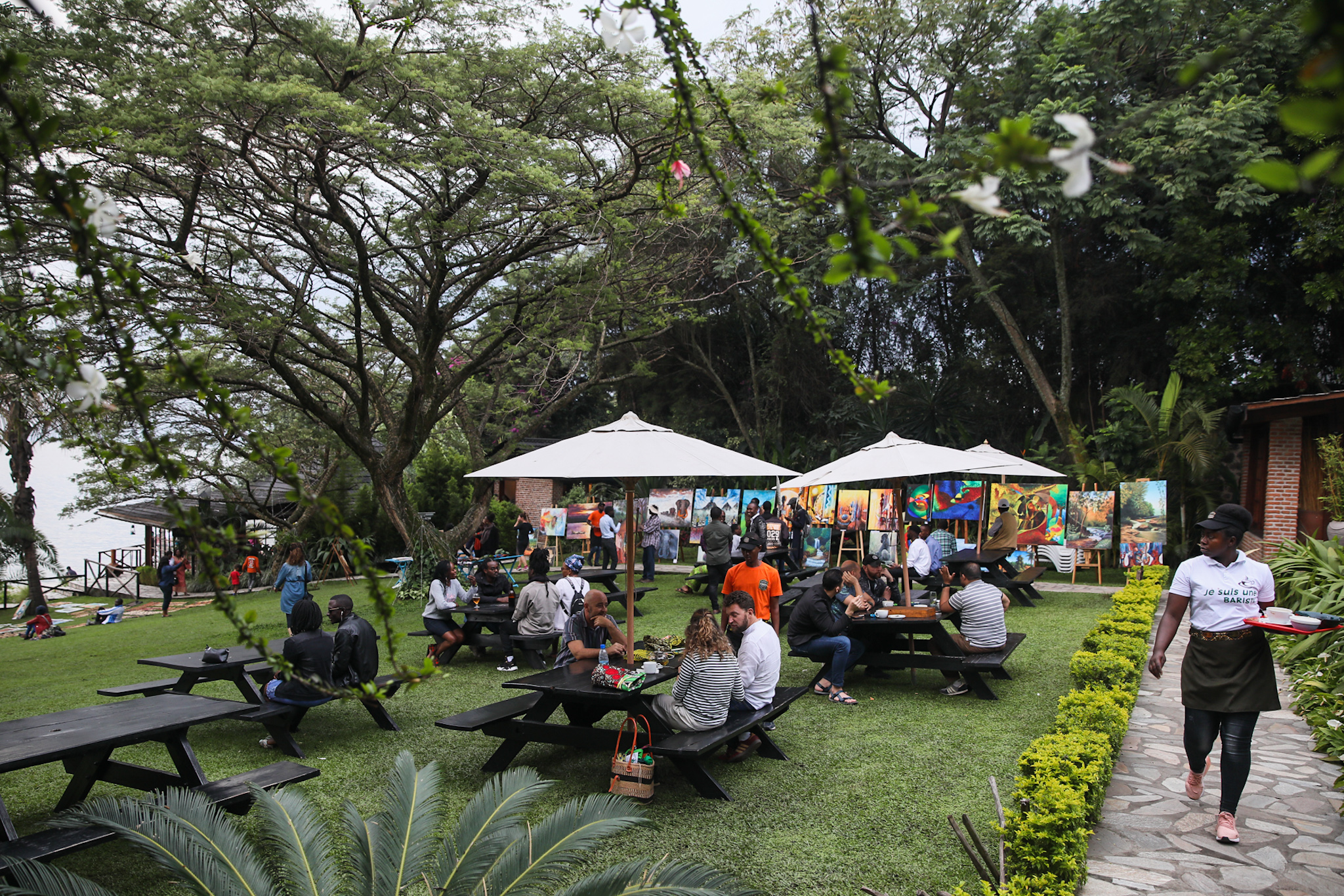
That said, Goma also features something familiar to many Ukrainians: large divides between the few rich and the many poor. The city’s southern and central districts, generally called “the green zone,” are an entirely different environment. There, foreigners — mostly employed by the numerous UN agencies — can walk freely and safely in the daytime.
The southern districts facing the shores of Lake Kivu are rich in expensive and even luxurious restaurants and hotels serving local elites and foreigners. The local wealthy live in mansions behind high walls of volcanic rocks and with armed security guards on call 24/7.
Sometimes, the contrasts are extremely sharp. In Goma, impoverished slums can be often found side-by-side with closed-territory gardens and seaside parks of exceptional beauty.
For a person from Ukraine, a country with its own struggle with poverty, Goma puts everything in perspective. While we enjoy developed — albeit decaying — infrastructure, shopping centers, and even luxuries like craft beer, for millions of people around the world running water and clean, paved streets are still luxuries.
These were among the many impressions from the Kyiv Post’s visit to the Democratic Republic of the Congo. Stay tuned for more stories from the Ukrainian peacekeeping mission there.